How AI Sales Agents Work
How AI sales agents qualify leads, answer buying questions and book meetings — the architecture, conversation design, CRM integration and limits to respect.
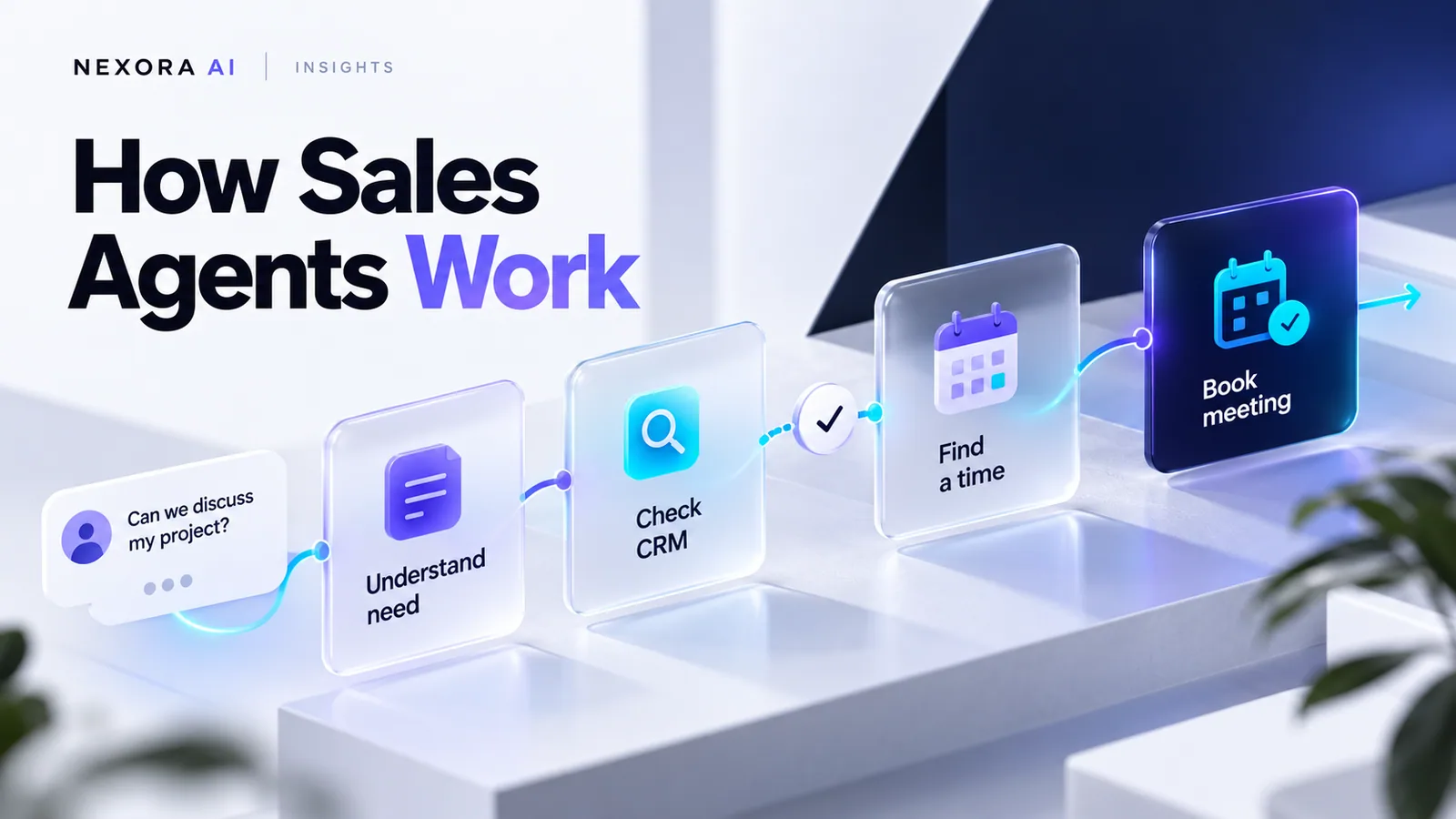
An AI sales agent is an agent whose job is to move a prospect one step forward: answer their questions, find out whether they're a fit, and — if they are — book a meeting or route them to a person. It does this by combining a language model with access to your product information, CRM and calendar.
What a sales agent does, step by step
- Engages a visitor on your website, in a messaging channel, or in reply to an inquiry.
- Answers product and pricing questions from approved content.
- Qualifies with a small number of natural questions — need, timeline, company size, budget range — based on criteria you define.
- Checks the CRM to see whether this person or company is already known.
- Acts: books a meeting with the right rep, sends resources, or politely closes out poor fits.
- Records a summary and qualification data in the CRM.
The architecture
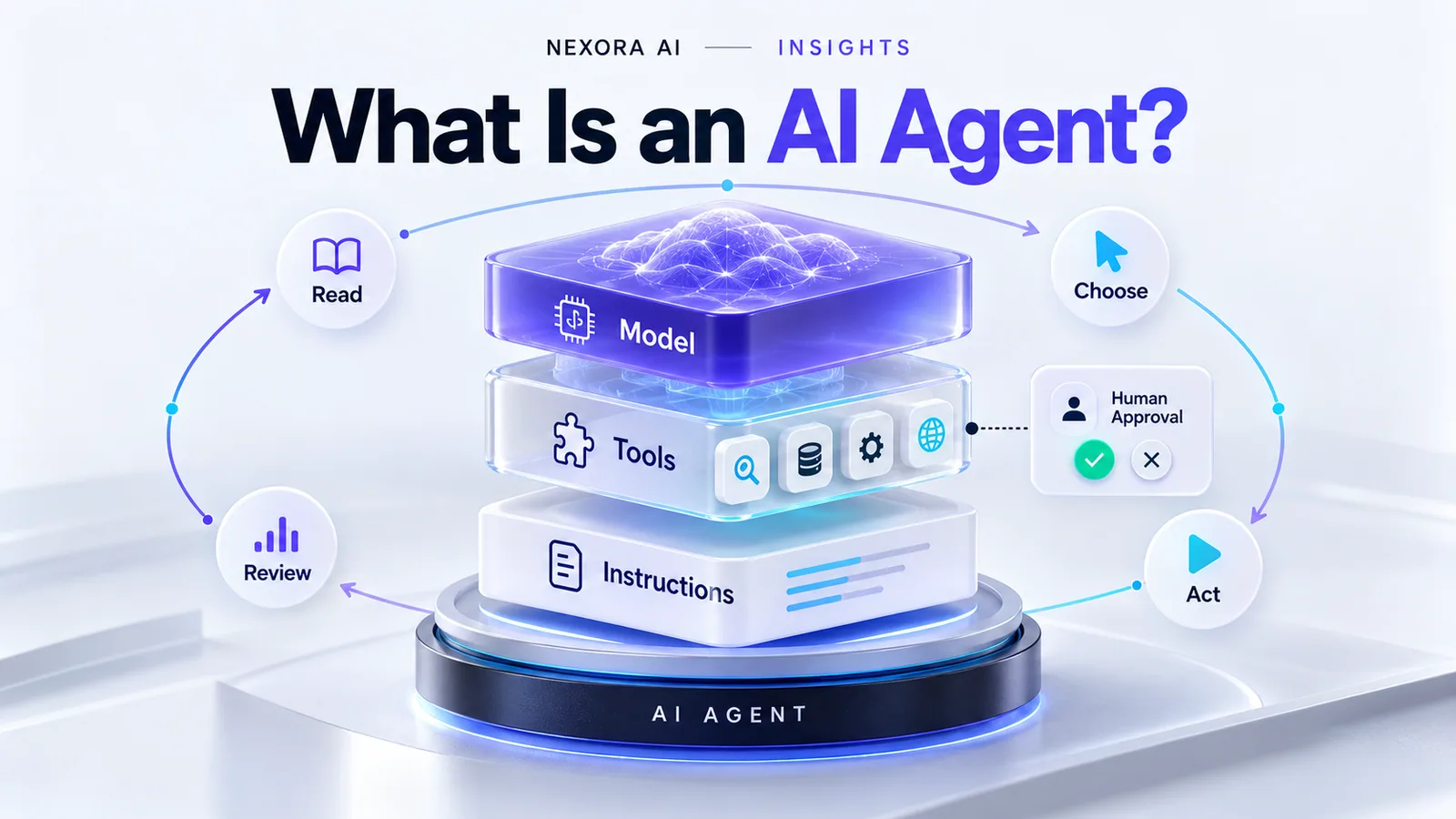
- Model: interprets the conversation and decides the next step.
- Knowledge: product pages, pricing rules, FAQs, case studies — indexed for retrieval.
- Tools: CRM lookup and create/update, calendar availability and booking, notification to a rep.
- Rules: qualification criteria, routing logic, topics to avoid, when to escalate.
The rules matter as much as the model. "Book directly if company size > 20 and timeline < 3 months; otherwise send resources and create a nurture contact" is a business decision, not an AI decision.
Conversation design
Good sales agents feel like a helpful rep, not a form. Principles we follow:
- Answer first, qualify second. If someone asks about pricing, give the published range, then ask what they need.
- Few questions. Ask only what's needed to route correctly.
- Honesty about being AI. Say so when asked, and in many cases up front.
- No invented commitments. The agent never promises discounts, custom terms or delivery dates beyond your rules.
- Easy exit to a human at any point.
CRM integration
HubSpot, Salesforce, Pipedrive and most CRMs expose APIs that support all of these.
Where sales agents fall short
- Complex enterprise deals need relationship-building a bot can't provide.
- Negotiation should stay with people.
- Outbound at scale raises consent and anti-spam rules (for example, CAN-SPAM in the US and CASL in Canada). Inbound and opt-in conversations are safer territory.
Measuring it
Track response time to new inquiries, share of conversations that reach a qualified outcome, meetings booked, show rate, and how often reps disagree with the agent's qualification. Review transcripts weekly early on.
Cost
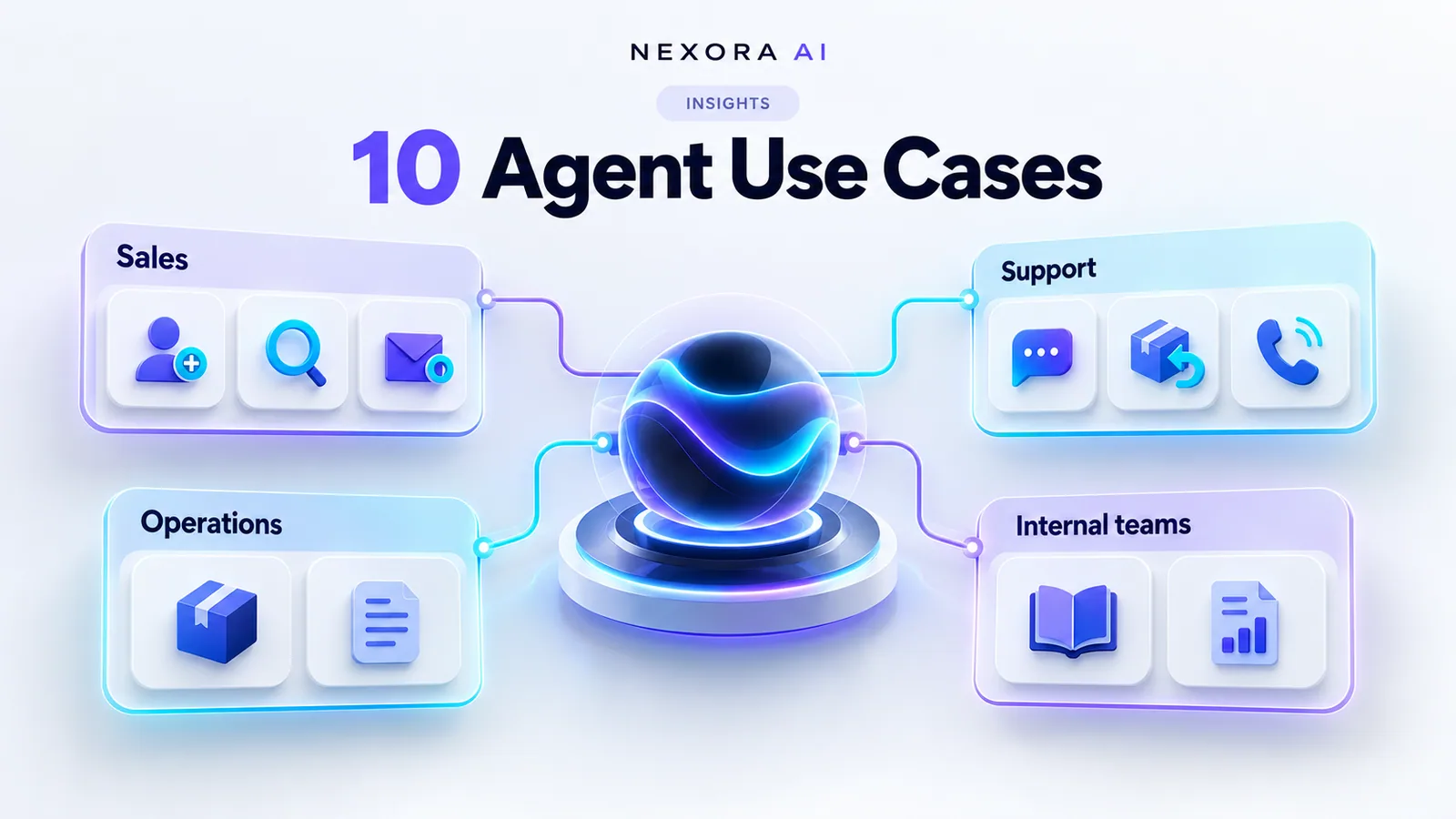
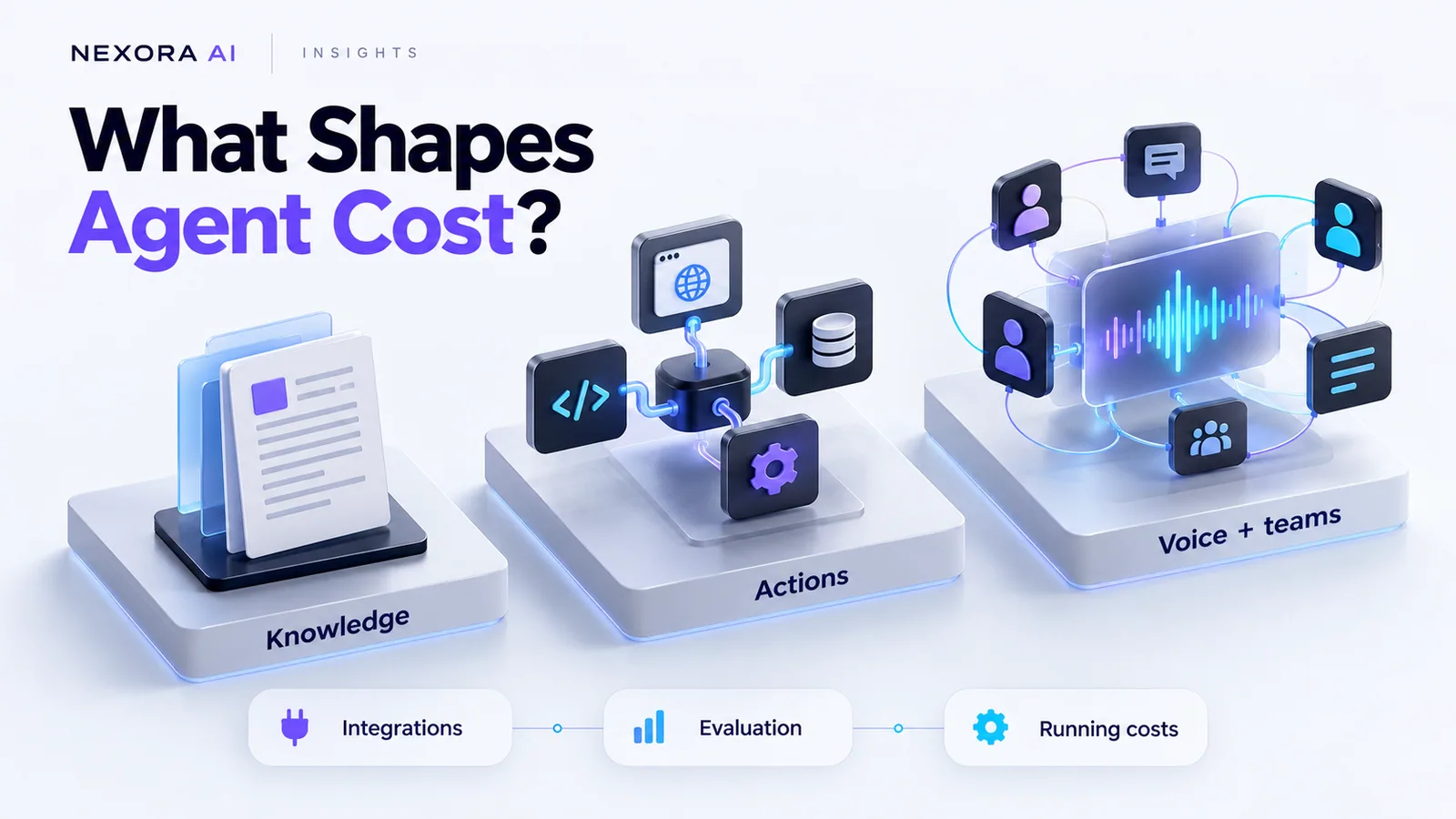
Sales agents usually fall in the "action agent" band — see AI agent development cost. For broader context, 10 AI agent use cases shows where sales agents sit among other options.